
The Delectable Date
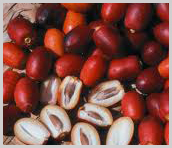
Dates make excellent tonics for growing children due to their nourishing combination of carbohydrates, vitamins, mineral salts and essential amino acids. Dates are deseeded and boiled in milk until they become soft. A cupful of this brew does wonders for the child’s growth. Dates boiled in rice starch (kanji) makes an effective expectorant. They are also good for the heart as they have a fine combination of mineral salts and amino acids.
Certain constituents in dates have anti-cancer properties and hence play an important role in prevention and spread of cancer. In the cold winters experienced in northern parts of India and in Rajasthan (where dates are also grown), dates help in keeping the body warm. It must be pointed out that though dates contain a small amount of fibre, protein, fat, vitamins, and minerals, upto 80 percent of the date flesh is sugar, contributing about 259 calories per cup. Hence, dates are not recommended for those on a diet.
Trusted Turmeric
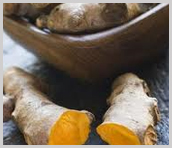
For centuries now, haldi has been an honoured herb-for its many golden qualities.
Natural Healer: Turmeric has anti-inflammatory properties and is an excellent antiseptic. A paste of pure turmeric and water applied on boils, cuts and bruises ensure quick healing without a scar.
Iron Booster: Turmeric, being rich in iron, is great fro treating anaemia. A teaspoon of turmeric is a must in ones daily diet. Besides using it in dals and subzis, one could just grate fresh turmeric and swallow it with water or make tangy chutney.
Softnes the Skin: Turmeric is a wonderful body scrub, which is why Indian brides traditionally apply a haldi-besan (turmeric-gram flour) mix to their entire body on the morning of the wedding. It leaves skin soft, smooth and glowing. A mixture of turmeric and cucumber or lemon juice is also known to lighten pigmented skin.
Great for Digestion: Turmeric helps stimulate the flow of bile, which helps digest food; this way it aids digestion.
Fights Cough and Cold: The curcumin in turmeric helps ward off bacteria causing cold, cough and throat irritation. Haldi-ajwain milk taken once or twice a day is most useful curative measure for this. To make haldi-ajwain milk, just dry roast the ajwain till it is almost brown, add some crushed fresh turmeric, heat fir a few more minutes and then mix with boiling milk.
Good Night’s Rest: A glass of milk with turmeric powder has a soothing effect and is one of the best remedies for insomnia.
Preserves Food: Like most culinary herbs, turmeric helps retard food spoilage and preserves food with its antibacterial action. Turmeric is a winner in any form. In addition to its health benefits, it also gives food an appetizing colour. Of course, since adding too much can turn food bitter, there’s little fear of overusing turmeric.
Small Wonders
Nutrition value of white mushrooms (Food value per 100g)
| Energy | 13Kcals (55kJ) |
| Protein | 1.8g |
| Carbohydrate | 0.4g |
| (of which sugars) | 0.2g |
| (starch) | 0.2g |
| Fat | 0.5g |
| (of which saturates) | 0.1g |
| Fibre | 2.3g |
| Sodium | 5.0mg |

Thousand of mushrooms have been discovered since, some wild, others edible. They come in many shapes, size and colours ranging from white to orange, black, pink and yellow. Their umbrella-like caps are smooth, pitted, honeycombed or ruffled and they can taste bland, rice, nutty or earthy. Apart from adding a wonderful taste and meaty texture to food though, mushrooms also contain nutrients.
Exotic, mysterious but very, very healthy. Time for some Mushroom magic
They are low on fat, sugar and salt and are a valuable source of dietary fibre. They add flavor to low salt diets and help reduce incidence of heart disease, high blood pressure and stroke. They are also a good source of the B vitamins-niacin, riboflavin, thiamin, folic acid and pantothenic acid. These vitamins help relieve stress, depression and fatigue, and build strong healthy hair, skin and nails. Mushrooms are also one of the few dietary sources of vitamin D. They are a good source of minerals, especially potassium, and easily, absorb high quality protein. They also contain traces of the mineral selenium, which protects against cancer, heart disease, miscarriage and immune system deficiencies they did little on a plate!
Nectar of the Gods

Great Energizer: Honey serves as an instant source of energy and helps to overcome fatigue. It is composed of two main sugars, levulose and dextrose, which do not need to be broken down by the digestive process, so honey is easily absorbed into the bloodstream, giving a quick energy boost to the body.
Relieves Sore Throat: Honey acts as an antibacterial agent and inhibits the growth of harmful bacteria in our body. It helps ease cough and get rid of phlegm. A teaspoon of juice of tulsi combined with one teaspoon of ginger juice and one-fourth teaspoon of honey is a sure-shot cough remedy.
Acts as an Antiseptic: The high sugar content in honey is great for absorbing moisture inside wounds and the hydrogen peroxide in it makes it difficult for bacteria to survive. Honey is great to disinfect burns, scrapes.
Treats Fever: A mixture made by grinding a few tulsi leaves, one-fourth teaspoon of sunflower seeds (surya mukhi ke beej) and 1 teaspoon of honey helps to bring down fever.
Prevents Constipation: The high amount of fructose in honey allows it to be passed to the large intestine undigested, which begins a fermentation process. This process allows fluid to be drawn into the bowel, which acts as a laxative.
Adds Shine to Hair: Honey applied to dry or damp hair about one half hour before washing will turn your hair into your “crowning glory”.
Moisturizes Skin: Honey is natural humectants, which means it has the ability to attract and retain moisture. The skin’s ability to stay moist (or hydrated) is an important factor in its ability to maintain softness, suppleness and elasticity. As skin ages, it loses its ability to retain water; it becomes dry and appears wrinkled. The natural hydrating properties in honey make it ideal for use in moisturizing products.
Pure honey always gives best results. No wonder then, that this versatile gift of nature has earned the name ‘Nectar of the Gods’.
Lettuce
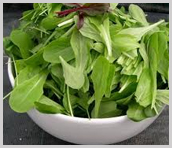
Lettuce is an increasingly popular vegetable, making its pretty appearance more commonly in the markets nowadays. Lettuce adds its special colour and texture to any salad. It can be served on its own with a variety of dressings, or combined with other fresh vegetables like tomato, cucumber, sprouts etc. its fresh color and crisp texture serve well as a garnish too; lettuce leaves can be stuffed with fruit, cheese or other fillings too.
All lettuce is low calorie and most of its rich in fibre, calcium, iron and vitamins A and C. keep in mind that the darker green leaves contain the mist nutrients.
Corn
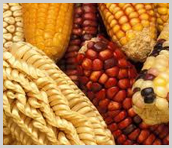
Horticulturists developed the two most popular verities today-white (country Gentleman) and yellow (Golden bantam) corn. Yellow corn has larger, fuller-flavored kernels; white corn kernels are smaller and sweeter. The hybrid 'butter and sugar' corn has yellow and white kernels. Corn is not only a popular food, but he base of many products, including bourbon, corn flour, cornmeal, corn oil, cornstarch, corn syrup, corn whiskey and laundry starch.
Corn is available in different forms, making it a versatile member if any kitchen.
American Corn: This is bright yellow with a fairly small cob. it is deliciously sweet and needs very little cooking of it is fresh. It is also ground into flour or made into corn flakes; corn oil is made from it.
Sweet Corn: The grains are pale yellow to white and the cob is larger than that of American corn. When you buy it fresh, chose those covered with pale green leaves and milky grains. This is also used to make canned corn, niblets and cream-style.
Baby Corn: This popular baby comes from regular corn plants that are harvested early while the ears are very immature. Fresh baby corn has better flavor and texture than canned baby corn. It is used to make soups, salads, stir fries and appetizers too.
Popcorn: These are corn niblets that are sun/freeze dried. These are use to make popcorn and also ground into flour. Popcorn is made by heating the grains in oil until they puff up and bust, forming soft, white, light masses. They are flavored with butter, cheese, caramel.
Makai Ka Atta: This is not to be confused with corn flour. This is the whole grain of corn that is ground into a coarse earthy flour and is use to make parathas, rotis and other dishes like polenta (corn bread), among others. Corn flour is the refined version, which is used as a thickening or to make batter.
Coffee
COFFEE FLAVOUR
| Brazilian | Nutty, low-acid, ranges from simple to bland |
| Columbian | Heavy-bodied, rich and simple |
| Jamaican | Bland, neutral flavorbn n |
| Java | earty, peppery, spice-like |
| Kenyan | Hearty, lush, blackcurrant flavored |
| Indian | Dark chocolate, with a hint of spice |

Arabica: Mild and aromatic Arabica coffee is a descendent of the original Ethiopian coffee trees. It’s said to be the king of coffee and accounts for about 70 per cent of the world’s coffee production.
Robusta: Although Robusta coffee beans account for only 30 per cent of the world’s market, they are far richer than the Arabica bean. Robusta beans produce a batter-tasting coffee with about 50 per cent more caffeine than Arabica. Robusta coffee trees grow mostly in South-East Asia and Brazil.
And some forms of the drink:
Espresso: Italian coffee, which is brewed by forcing steam through finely-ground, dark-roasted coffee beans. Espresso is very strong. By adding frothed milk, espresso evolves into variations like cappuccino, macchiato and café latte.
Cappuccino: Blend together equal portions of espresso, hot milk and forth and you have an inviting cup of cappuccino. Some people like to sprinkle their cappuccinos with cinnamon or unsweetened coca. Others like it with just plain sugar.
Mocha This popular coffee blend gets its name from the kingdom of Mocha, a neighbor of Ethiopia. It was the ruler of Mocha who is credited with first suggesting that cherries from the coffee plant be infused to make a drink. Mocha is generally a one-third espresso, one-third strong, unsweetened hot chocolate, and one-third steamed milk.
Latte: Call it Caffe Latte or Café au Lait, any ‘latte’ is a milky and coffee. The best lattes are created when milk and coffee are poured simultaneously into the mug, one from each side.
Barista: The Italian word for bartender.
Pistachios
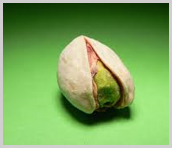
PISTACHIOS: SNACKINGFOR GOOD HEALTH
By our special Correspondent
Pistachios in terms of nourishment, convenience and enjoyment. The nuts taste good and contain many essential nutrients that contribute to good health.
A serving of pistachios contains 170 calories and is a good source of many key nutrients containing over 10% of the daily value of fibre, protein, vitamin B-6, thiamin, phosphorus, magnesium and copper.
Pistachio Nutrition from A to Z
Eating a variety of foods is the key to good nutrition. Every food contributes to the nutritional bottom line, though some choices may contribute more nutrients than others and can help you meet your dietary needs better. Did you know that California pistachios are a concentrated source of many key nutrients?
A
Vitamins A help you see in the dark and stimulate growth of all body cells and tissues.
B
Vitamin B-1 (Thiamin) helps all body cells produce energy from carbohydrates.
Vitamin B-6 helps the body produce proteins that are used to make up the cells of the body. B-6 also helps produce important body chemicals like insulin, hemoglobin and antibodies to fight infections.
C
Calcium builds strong teeth and bones, helps muscles contract (including the heart) and helps sustain normal nerve function.
Copper helps all cells to produce energy and helps make hemoglobin that carries oxygen in the blood.
E
Vitamin E promotes healthy cells and tissues and, as an antioxidant, may play a role in preventing heart disease and cancer.
F
Folate is essential to cell formation and renewal. Folate plays an important role in preventing birth defects and may be involved in reducing the risk of cardiovascular disease.
I
Iron is critical for the body to transport oxygen to the cells. It is an essential part of hemoglobin in red blood cells.
M
Magnesium is a component of health bones and an important part of over 30 enzymes that regulate many body functions such as muscle contractions.
P
Phosphorus helps generate new cells and also is important in helping the body effectively use carbohydrates, protein and fat. Potassium balances body fluids and electrolytes. Vital for muscle contraction and nerve impulses. Potassium also improves endurance when exercising.
S
Selenium aids in cell growth and works like an antioxidant with Vitamin E to protect body cells from damage that could lead to heart disease and cancer.
Z
Zinc is essential for growth. It promotes cell reproduction and tissue growth for repair and healing wounds.
Strawberry

The queen of berries is luscious and comes loaded with Vitamin C. Just eat’em to help improve the body’s absorption of iron. They come with anti-bacteria properties and also play a role in traditional medicine (they cleanse and purify the digestive system). Rich in salicylate, an ingredient found in many commercial acne.
Get your Vitamin C and E and fibre from the delicious and nutritious raspberry. An antioxidant, it speeds up the body’s healing process, thus reducing the risk cope developing certain cancers. Naturopathy looks to raspberry juice to cleanse and detoxify the digestive system.
Go Go Goosebery: This juicy berry, more commonly known as 'amla' in India, is a rich source of Vitamin C and soluble fibre. Its nutritional value is immense-ranging from curing inflammations to eliminating stones in the urinary tract. Not just the fruit, even the leaves of the plant and wholesome and considered a tonic for the eyes.
Honey
On a sweet note: Did you know your cake will be richer in food value, and stay delicious longer, if you replace the sugar with honey? More honey facts…..
A natural sugar concoction, honey is 100 percent pure; easy to digest; and power- packed with mineral searches iron, calcium, manganese, potassium, vitamins such as B complex and K, and several and enzymes. It scores over ordinary sugar, which merely sweetens. It’s also the right choice organically. There are several brands, but what's the purest? According to the Agmark standards set by the government, pure honey should have less than 20 percent water and 5 percent sucrose; it should have 45 percent fructose, 30 percent glucose. Try avoiding brands without ingredient labels.
GO GO GOOSEBERY: This juicy berry, more commonly known as 'amla' in India, is a rich source of vitamin C and soluble fibre. Its nutritional value is immense- ranging from curing inflammations to eliminating stones in the urinary tract. Not just the fruit, even the leaves of the plant and wholesome and considered a tonic for the eyes.
Some Honey Facts:
- Honey has a long shelf life. It may granulate, but this does not affect taste or purity.
- Some honeys are naturally dark and others naturally light. Flavors’ also tend to vary.
- Honey has marginally more calories per tablespoon than common table sugar, but as it can be 25-40 percent sweeter than sugar (honey has high level of fructose), less is needed for the same sweetening power.
- It is good in tea or coffee, and for baking (it absorbs moisture from the air and keeps breads moist for longer).
Healthy honey It contains vitamins and antioxidants; is fat free, cholesterol-free and sodium-free! Try this daily dose as a cleansing tonic: Mix a spoonful of honey and juice of half a lemon in a cup of hot water. Drink before breakfast half a lemon in a cup of hot water. Drink before breakfast. This will flash out your system and give a supply of antioxidants essential for protection against free radicals. Add a little eucalyptus oil or root ginger to ease congestion. To enhance sleep, try a drop of whiskey in the mixture. Honey also helps insomniacs, in fact, in ayurveda, medicines are generally combined with honey as it is said to enhance the basic properties of the drug.
Energy-giver: Glucose (absorbed quickly) gives immediate energy; fructose (absorbed slowly) gives sustained energy.
Coughs and colds: For a sire throat, take it on its own, or gargle with a mixture of 2 tablespoons honey, 4 tablespoons cider vinegar and pinch of salt. Honey is great for all cold and cough symptoms.
Cuts and grazes: With excellent antiseptic properties, honey is a good dressing fro burns and minor wounds.
Marinade: Adding a tablespoon of honey to meat before cooking helps block free radicals (which can attack the body’s cells) and improves the taste and flavor of meat.
Warning! Don’t administer honey to infants. It may contain clostridium botulinum. Older children develop some resistance to these bacterial spores.
Pepper
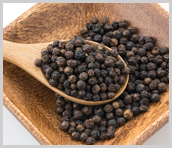
The King of Spices: Black pepper is one of the oldest and the most popular spices in the world. Uniquely flavored, and widely used across all cultures, it has rightly been named the 'King of Spices'.
Pepper in The Medicine Cabinet: Pepper has been used since time immemorial in the ancient Ayurvedic, Chinese and Unani traditions. As antibacterial agent, its amazing curative properties can also work wonders on health problems such as flatulence, toothache, indigestion, cold and cough, sore throat, fevers and nausea.
Appetite Enhancer: The strong flavor and taste of black pepper helps to stimulate the taste buds, and enhance appetite.
- Add ¼ tsp each of black pepper and powdered jeera in a glass of buttermilk. Drink this ½ an hour before lunch or dinner.
- Mix ¼ tsp of crushed pepper with ½ tsp of asafetida and 1 tsp lemon juice in a cup of water. Slip this about ½ an hour before our meals and will develop a healthy appetite.
Digestive Aid: Black pepper stimulates the secretion of acids and digestive juices in the stomach after a meal, thus improving digestion and preventing intestinal gas.
- Mix equal quantities of black pepper, cumin seeds, dried ginger, and dried curry leaves, and powder them together. Add a little salt to taste. Mix with hot ghee and eat with steamed rice to combat constipation or indigestion.
- Mix equal quantities (approximately ½ tsp each) of back pepper, cumin seeds, and ginger. Make an infusion by boiling in some water (approximately 1 cup). Drink this infusion twice or thrice a day to get rid of flatulence and stomach discomfort.
Toothache Reliever: A decoction of pepper in boiling water helps relieve toothache. Add 1/8 teaspoon of black pepper to ½ cup boiling water. Stir, cover and simmer on low heat for 7 minutes. Steep, still covered for another 15 minutes. Strain rinse the mouth with small sips of this warm decoction. Retain this liquid in the mouth for a minute. Repeat, rinsing at least 12 to 15 times; and at least 4 to 5 times a day.
Diuretic & Toxin Reliever: Black pepper causes sweating and promotes urination, thus helping to flush out toxins and bacteria from our body.
Congestion Cure: Pepper contains a chemical called 'pipperine', which acts as an irritant and causes sneezing when it comes in contact with the delicate nasal passage.
Basil
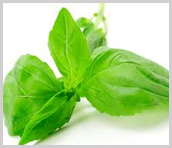
Strong yet Gentle: A HERB that’s loved fro twin qualities- as a treat the taste buds and fro its ability to soothe.
The leaves of basil are most commonly used for their health benefits, but all parts of the plant, including the stems, flowers and seeds, are also used. Here are just a few ways in which basil can bring you its many benefits.
- Fresh basil contains folic acid; dried is a good source of potassium, iron and calcium.
- The old herbalists used the camphor in basil for its sedative effect, to relieve headaches.
- Today herbalists recommend basil for nausea and motion sickness, because of its antispasmodic properties.
- With its calming properties, it is a popular herb in aroma therapy.
- Basil has been known to be a cure for mild depression.
- Chewing on a little basil alleviates bad breath.
- Basil’s strong taste promotes the production of saliva; increasing appetite and helping the body digest food properly.
- The eugonol content of basils volatile oil has been known to give relief from arthritic pain.
- Massaging the scalp evenly with the oil of basil gets rid of dandruff.
- For minor rashes on the skin, a few basil leaves added to your bathing water work their soothing magic
- Drinking basil water every day helps in keeping throat infection, cough, cold an fevers at bay-as basil has anti-inflammatory and antibacterial properties.
Peas
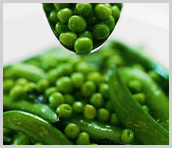
Super Charge Your Health The Green Peas way!: Green peas are a virtual power house of nutrients, providing good amounts of protein, vitamins and minerals. Surprisingly, it is also a source of dietary fibre. At the heart of the matter dietary fibre found in good amounts in green peas does wonders by lowering the blood cholesterol levels thus preventing heart disease.
Say No to B.P. with Green Peas: The low sodium content of green peas is a boon for people suffering from hypertension. Cook a variety of dishes with this green veggie and please your palate while keeping an eye on your blood pressure.
Rich in Vitamin C: Green peas provide some amounts of Vitamin C that help support the energy producing cells that build your immunity to fight against disease producing organisms. Vitamin C also helps in iron absorption.
Fat Free Peas: Having almost zero fat and having appreciable amounts amounts of fibre, Green peas satiate you for a longer time and thus help you for a longer time and thus help you to avoid bingeing on unwanted high calorie foods. Remember not to add butter or oil while cooking.
Mint
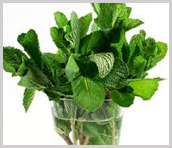
Magic of Mint
Digestive Aid: The menthol in mint is known to soothe the lining the digestive tract, stimulating the production of bile, which as an essential digestive fluid. Mint leaves and honey added to a cup of hot water milk a nice infusion that helps to settle your stomach after a big meal. The many varieties of after dinner mint candies and liqueurs are proof of how mint makes for a great digestive.
Acidity Reliever: Fresh mint juice taken ever day or fresh mint leaves boiled in a cup of water and sipped slowly after meals also helps to keep the stomach acids at bay.
Appetite Enhancer: 1 to 2 tablespoons of mint juice daily in the morning helps to whet the appetite, especially in kids.
Fever Buster: A herbal tea made with mint, ginger and honey is sure to reduce any type of fever in no time. The oils in the mint provide relief from the common cold and cough that usually accompany the fever.
Antioxidant Boost: Mint leaves are a great source of antioxidant Vitamin A, which helps to fight the harmful free radicals in our body and prevents cancer and heart disease.
Foot Scrub: Equal quantities of crushed fresh mint leaves, yogurt and rock salt mixed together and applied on the feet works wonders on cracks. Leave it on for about half an hour and wash off with warm water.
Curd
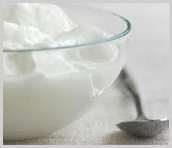
Nutritionally, yoghurt has many benefits that actually come from the millions of ‘friendly’ live and active bacteria cultures that are beneficial to the body in many ways. These bacteria in the yoghurt help to break down the lactose before it enters the body, making it easier to digest. Medicinally too, yoghurt has an important curative factor in a number of disease, bringing relief to patients suffering from disorders such as diahorrea and constipation, dysentery, chronic appendicitis and colitis. Yoghurt fights bacterial infection known as salmonella r food poisoning. Buttermilk sweetened with honey makes an ideal diet during jaundice. Also, evidence shows that eating lots of live active culture yoghurt keeps ulcer-causing bacteria under control.
The cooling effect of yoghurt makes the stool acidic and alleviates the burning and itching sensation in the rectum. It also helps in controlling the itching, burning and uncomfortable conditions in the vagina caused by yeast infection.
Turmeric
Turmeric has long been used in Ayurvedic medicine as a stomach tonic and blood purifier, and for the treatment of skin disease and wound healing. The rhizome of turmeric is highly aromatic and antiseptic. Turmeric helps lower cholesterol, internal blood clots and is considered potentially beneficial in treating or reducing symptoms due to its anti-tumour, anti-inflammatory and anti-bacterial effects.
Cold: Sweetened milk boiled with turmeric is a popular remedy for cold.
Cough: Ghee mixed with powdered turmeric is given to relieve cough. Suck a piece of turmeric rhizome and a little jiggery for some time and watch its soothing effect on a sore throat.
Congestion: Take two gms of turmeric powder (haldi), add two tsps of honey and take this two times a day to relive congestion.
Parasitic worms: Drinking juice of fresh turmeric rhizome is used as an anthelmintic for eliminating worms.
Swelling: Grind an onion with one tsp. of turmeric powder and apply it hot. It will reduce the swelling.
Skin disease: A paste of turmeric alone or combined with the pulp of neem leaves is used in ringworm, obstinate itching, eczema and other parasitic skin disease. It works very well as a skin tonic.
Tales:
Headache: Scrape a turmeric rhizome in water. Apply the mixture on the forehead to reduce the headache.
Migraine: Take two tsp. of hing (asafetida) and turmeric powder each in a paper and roll into a joint. Burn it and inhale. It cures migraine.
Short of Hearing: Take one tsp. of turmeric powder and add some drops of almond oil to it. Put two drops of this mixture in your ear to improve the condition.
Jaundice: Take 10 gms of turmeric powder and add 50 gms of curd (dahi) to it. Gargle with this mixture 2-3 times a day.
Tonsils: Warm a little water and add turmeric powder and some salt to it. Gargle with this mixture 2-3 times a day.
Conjunctivitis: Boil turmeric powder in water. Filter it with a cloth. Put the filtered concoction in the eye or wash away discharges from conjunctivitis. Keep the cloth over your eye for some time.
Dry Eyes: Cook turmeric rhizome in toovar dal. Keep this mixture in the sun and let it dry. Scrape the turmeric rhizomes and apply in the eye like kajal.
Diabetes: Take five gms of turmeric powder and mix well with ghee. Add some black sugar and grind well. Take this two times a day.
Wounds and Sprains: Turmeric paste mixed with a little lime and saltpeter and applied hot heals sprains, bruises, wounds and inflammatory troubles o the joints.
Sores: Mix powder turmeric with enough lime juice to make a paste and apply on sores, chicken pox, etc.
Eczema and Itches: An ointment of turmeric, hemp leaves, onions and warms mustard or linseed oil gives great relief from eczema.
Ajwain
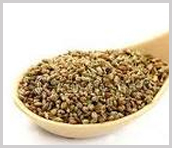
The tiny, grey-green ajwain seeds pack an amazing variety of uses. Though it is he seeds that are most often used (whole or crushed) to spice up a meal or make a medicinal mixture, the herbs fresh leaves too make a tasty kadhi (see recipe) or crispy bhajias.
Ajwain (botanical name: Carum copticum) is also known as ajwain, carom, bishop’s weed and seeds of bishop’s weed and seeds of bishop’s weed. The seeds have a pungent, thyme-like flavor when chewed but leave a milder, pleasant aftertaste. When cooked, they get tempered down. The flavor of this spice can be improved by roasting the seeds in a dry pan. It is helpful for stimulating the appetite, enhancing digestion and alleviating gas and stomach discomfort. It also assists in the functioning of the respiratory system and the kidneys. Due to its may beneficial effects, including its role in keeping the uterus healthy, ajwain is particularlyfavored by pregnant women.
Ajwain Curses: Here’s how ajwain can be used in simple remedies for treating a variety of ailments:
- If one is bothered by bad breath, chewing a mixture of ajwain seeds and fennel seeds (saunf) of seeds can act as an effective mouth freshener.
- To ease a toothache, gargle with some boiled water to which is added one teaspoon of ground ajwain a little salt. Repeat the process two to three times a day.
- Sore throat and hoarse Vice? No problem with ajwain around. Simply add a quarter to half teaspoon of ajwain to some warm milk to make a ready concoction to soothe throat.
- A natural inhaler for easing a cold can be made by crushing a tablespoon of ajwain seeds and tying the powder in a small cloth bundle. As for a cough, all one needs to do is chew a little ajwain and follow this by drinking some hot water.
- For bronchitis or asthma, having a teaspoonful of ajwain with hot water every morning and evening will give some relief.
- To get rid of indigestion and flatulence, combine one teaspoon of ajwain with two pinches of salt or with betel leaves. Chew the combination, swallow it and then hear yourself sigh relief as you get rid of the discomfort.
- To enhance a sluggish appetite, all one needs to do is swallow a teaspoon of ajwain with or without water 3 to 4 times a day.
- Ajwain oil can help relieve earache with just one or two drops in the ear.
- The oil can also be used to massage legs and knees to get relief from pain if one is suffering from arthritis.
Tea
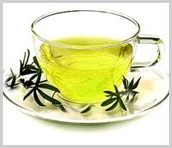
Now we all know how rejuvenating a cuppa chai can be at all times, for all ages! But, did you also know, that hidden away inside every sip are substances capable of boosting our bodies' defences to help fight chronic disease? Read on to know more.
Your Cup of Tea Contains
Antioxidants: They are one of the key requirements for human nutrition. Tea contains high levels of antioxidants called polyphenols or flavonoaids, which reduce your risk of developing cardiovascular disease, caners, cataracts, macular degeneration, cognitive impairment, osteoporosis, Alzheimer’s and liver disease.
Flouride: It is required to support bone mineralization and protect teeth against dental caries. Tea provides 70 per cent of our daily fluoride intake.
Vitamins And Minerals like carotene, a precursor to Vitamin A; Thiamin (Vitamin B1); Riboflavin (Vitamin B2); nicotinic acid, pantothenic acid, ascorbic acid (Vitamin C), Vitamin B6; folic acid; manganese and potassium. Plus, when added to milk, which is how tea is enjoyed by most, it can provide a number of other vitamins and minerals. Simply put, its nutrition packed!
Tea And Health:
Research shows that both black and green teas are excellent means of lowering the risk of heart disease.
It's helpful in the treatment of Osteoarthritis.
Tea helps in better metabolic functioning and thus keeps the intestines health.
Studies have proved that tea resists the growth and development of various cancers.
Tea helps develop strong teeth.
Carrot
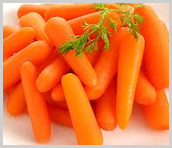
Not only is the carrot a good source of vitamin C, potassium and fibre, but its deep orange colour indicates that it contains carotene, which the human body converts to vitamin A, that scientist believe does do wonders for the eyes..
"Vitamin A found in carrots helps protect colour and night vision," says Dr Steven Pratt, a senior ophthalmologist at Scripps Memorial Hospital in California, adding that new evidence suggests lutein, a powerful carotenoid, may be a deterrent to the age-related macular degeneration, a common cause of blindness as we age. Other studies suggest that the vitamins and minerals in carrots may also protect against cataract, glaucoma and even breast cancer, while practitioners of traditional Chinese medicine prescribe them as a cure for acne.
Garlic
Garlic……. Doctor in the House!
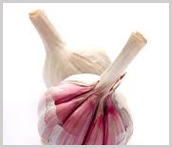
If garlic has been created in the laboratory instead of by nature, it would probably be a high-priced prescription drug. That's just how good it really is! It has been used medicinally for at least 3,000 years, but until relatively recently its benefits were considered little more than folklore.
Medical studies have shown that garlic-the aromatic seasoning people either love or hate- can lower cholesterol, prevent blood cots, reduce blood pressure, prevent cancer, and protect us against bacterial and fungal infections. Isn't that a long list of achievements for a humble herb?
Garlic's sulphur-containing compound called Allicin, which lends the herb its pungent, spicy aroma, is the major factor in preventing and controlling heart disease. It controls high blood pressure by enlarging or stretching the blood vessels. Eating quantities as small as one clove of garlic a day has been found to have beneficial effects in the management of hypertension.
The most common cause for cold and cough is known to be poor immunity. Garlic has been known for ages to be effective in treating upper respiratory viral infections with its immune-boosting properties and its ability to clear mucus from the lungs.
Salt
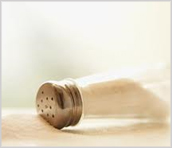
Without enough of it, muscles won't contract, blood won’t circulate, food won't digest and the heart won’t beat. But for most of us, insufficient salt is the least of all our worries. It's our taste for too much salt that is the real problem, causing high blood pressure and increasing our risk of a heart attack or stroke.
INCH A PINCH
We only need an average daily dose of six grams of salt.
TRADITIONAL ALTERNATIVES TO SALT
Zahtar:
Use this Middle Eastern nutty and sour blend as substitutes for salt while cooking.
2 tablespoons roasted sesame seeds, cooled
2 tablespoons dried thyme
1 tablespoon ground sumac (a sour red berry that can be bought from Middle Eastern grocers). In India, you can substitute 'bor'
Combine all and store in a tightly-closed jar in a cool spot. Suitable for freezing.
Lemon Juice: Used in contemporary diet menus, lemon juice is an excellent substitute fro salt and goes well with the tangy tastes of Indian cooking.
Herbs: Use these combinations of herbs in proportions of the order listed……………
- In soups: Basil, parsley, marjoram, thyme, savory and bay leaf
- In salads: Basil, parsley, marjoram, dill and tarragon
- In fish: Basil, dill, fennel, savory, rosemary
- In poultry: Sage, thyme, parsley, rosemary, basil
- In pastas: Basil, thyme, oregano and parsley
- All purpose: 2 tablespoons crushed dried basil, 1 tablespoon dried dill weed, 1 tablespoon crushed dries mint, 1 tablespoon crushed crushed dries tarragon, 1 tablespoon crushed dried thyme.
TYPES OF SALT
Table Salt: The most popular form of mined salt, it is fine-grained and similar to sea salt. The iodised version contains added iodine.
Black salt: ‘Kala namak’ is blend of crystallized mineral salts characterized by a strong sulfuric odour.
Grey salt: ‘Sel gris’, this is hand-collected from the shores of Brittany, France. Considered gourmet material.
Hawaiian sea salt: Alaea is natural mineral clay that ads to the nutritive strength of this salt and gives it its pink coloring.
Rock salt: Crystal mined salt that’s slightly grey. Contains minerals that are removed in table salt.
Sea salt: Comes as fine-grained or larger crystals of salt, obtained by evaporating sea water. Crush with a mortar and pestle.
Seasoned salt: Table salt that’s seasoned with herbs, celery, onion or garlic.
Note: All SALTS ARE NUTRIONALLY THE SAME. SEA SALTS HAVE TRACES OF MINERAL NIT FOUND IN MINED SALTS.
The Mystical Mango
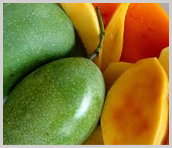
The Most Popular Of Mangoes……………
Langra: or the lame. Owes its origin to a chance seeding from near Benares city.
Amamn Dussehri: The name of a village near Lucknow and Malihabad. A superior chance seeding. Other verities of this name include Laila Majnu, Hussanara, and Sofiya.
Samar Bahisht: (Fruit of paradise): comes from superior chance seeding near Muzzaffar Nagar, U P
Anwar Rataul: From the Shora-e-Afaq garden in Rataul, Meerut U P- it is small (less than an apple and very strongly sweet with a wonderful flavor and smell).
Alfonso: Considered by many the royal among all mangoes- is grown in Maharashtra. It rates number one on the popularity chart of ‘favorite mangoes’. Known for its delicate and subtle flavor, Alfonso is the most expensive mango in India.
Fazli: Is the name of the largest of the Bangladeshi variety goes upto 1.5 kilograms. PAKISTANI VARITIES include Anwar Rataul; Amman Dussehri; Bangapali; Chaunsa; Fajrikalan; Mohammadwala; Neelam; Summer Bashisht.
Nuts
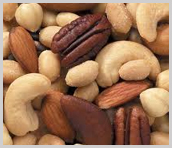
Green Gold: The word nutmeg comes from the Latin nux-meaning nut-and Muscat-meaning musky. It is born of an evergreen tree that originated in the spice islands of Indonesia. It takes five years for a nutmeg tree to flower. Full bearing needs 15 years and the tree continues to bear fruit fro about 50 years. Single, mature tree procedures up to 2,000 nutmegs per year. The pale yellow fruit looks like an apricot. When ripe, the fleshy outer covering splits along the groove to expel the seed are called aril-this is the source of mace. The nut is dried fro two months until the inner nut starts ratting within. It is then shelled to gather the valuable, egg-shaped nutmeat-the edible nutmeg.
Tips on Taste: When you use this spice, remember not to be greedy. The nutmeg owes its flavor and fragrance to yhe oil of myristica (myristicin), a poisonous narcotic that can cause hallucination that can cause hallucination if used in excess. But can help reduce flatulence, aid digestion, improve the appetite, and treat diarrohoea, vomiting and nausea.
Mint
This refreshing herb is actually a native of the Mediterranean region although it has found a home in regions like Asia. Believe it or not, there are over 30 spices of mint with hundreds of verities. The most common are, spearmint (used in cooking) and peppermint (used in flavoring chewing gum, toothpaste, etc.) Herbs like thyme, basil, lavender, oregano and sage also belong to the mint family.
Cinnamon

This inner bark of an evergreen tree has around 250 different species, and is largely found in Sri Lanka. Cinnamon can be used regularly add it to your garam masala; sprinkle it over your cereals, sandwiches, and soups. It complements the taste of fruits, so add it with abandon to your juices and shakes and your tea, coffee, curries and rice preparation. Like other spices, cinnamon loses flavor quickly, so purchase it in small quantities, store it in airtight containers or refrigerate. Do not keep it for long, and discard it when it no longer gives off its distinctive sweet smell.
Health Booster:
- Cinnamon has the ability to lower the arachidonic acid from cell. Membranes, making it an anti-inflammatory, and a very effective remedy to reduce inflammation.
- It is antimicrobial properties make it can effective alternative food preservative agent.
- Cinnamon helpstype-2 diabetics improve their response to insulin by normalizing their blood sugar levels.
- Smelling cinnamon boosts brain activity.
- Cinnamon is an excellent source of the trace, mineral manganese, dietary fibre, iron and calcium, which lower high cholesterol levels, and help prevent arteriosclerosis and heart disease.
- Cinnamon is said to provide relief to those suffering from irritable bowel syndrome.
- Cinnamon is said to provide relief at the onset of cold, when taken with ginger tea.
Banana

Treasured with natural sugar and combined with fibre a banana is an instant pick-me-up. Notwithstanding the myths of the very fattening banana, it is a good source of vitamin C, potassium, sugar and fibre. Researches have linked the wonder banana to lower risks of many chronic ailments, including depression, hangovers, ulcers and stroke.
Silent Killer: High blood pressure can cause injury to the brain, eyes, kidneys, make you prone to heart attacks. This incredible fruit, rich in potassium, yet low in salt, shoos the risk of high BP and other chronic ailments.
Blue Flu: Stimulant for neurotransmitter serotonin, it relaxes and cures mood disorders and depression. Cooling tryptophan lowers body and mental temperatures of would-be-mommies, keeping blood sugar level up and steering clear of morning sickness.
Brain Fare: Suffering from amnesia? Stress can make you a victim of it some day. To keep it at bay swoop over the potassium packed fruit to boost brainpower by increasing attentiveness in the learning process.
Acidic Woe: The modest banana can soothe and counteract heartburns. A natural antacid, it works better than magnesia!
Iron em All: Naughty anaemia can snatch away your sheen. To avoid it eat a banana every day. Its impressive iron content can stimulate the production of iron in the blood stream, preventing this ailment.
Wrath of Alcohol: The best way to avoid a hangover is not to drink. Okay, but when you can’t bear with the throbbing headache and wobbly stomach just gulp a banana. It will help calm the stomach!
Killer Sore: Smoothness of this dietary fruit and its neutralizing effect in case of acidity can ward off most of your intestinal disorders. Endowed with a soothing quality it coats the stomach and reduces ulcer.
Girlie Pang: You dread it every month but can’t get rid of it. All you do is pop a pill to stave off PMS. Here’s a natural cure. Vitamin B6 in your banana can help regulate the glucose level in your bloodstream, curing you of it.
Blocked: High-fibre bananas act as laxatives. High in fibre, including bananas in the diet can help restore normal bowel action, helping to overcome the problem without resorting to laxatives. Pectin, a water-absorbing nutrient in it also helps in firming your stools.
Smoky Trance: You smoke a lot and can’t quit. But modest bananas lend a hand if you desire to give up smoking. Endowed with vitamin B6 and B 12, potassium and magnesium, the banana helps your body pick up from the effects of nicotine withdrawal.
Tamarind

Versatile: Tamarind in acidic and excites the bile and other juices in the body. This naturally aids in digestion. It also acts as a blood purifier and is also used to treat bronchial disorders and gargling with tamarind water is recommended for a sore throat. It is an effective antiseptic, used in eye-baths and for the treatment of ulcers. Folk medicine uses tamarind leaves for sprains and swelling. The fruit said to improve digestion, relieve gas, soothe sore throats, and act as a mild laxative.
And, it has its uses around your home as well brass and copper when rubbed along with salt! It contains the substance pectin which is used in commercial produced jams, so it is a natural ingredient in many jams, jellies, fruit drinks, and is vital to Worcestershire sauce.
Did You Know ?
That in Hindu mythology, tamarind is associated with the wedding of the Lord Krishna, which is celebrated with a feast in November?
In Victorian times, the British in Goa kept a tamarind in one ear when venturing into the native quarter to keep themselves free from harassment by the locals because they believed that fresh tamarind pods were inhabited by malevolent demons. This earned the colonials the nickname 'Lugimlee' or tamarind heads', and it has stuck to this day.
Curry Leaves
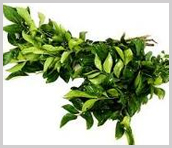
There’s no other herb like curry leaves that adequately duplicates its flavor.
An Integral Part Of South Indian cuisine, curry leaves are used to flavor vegetables, dals, meats and chutneys.
Mustard
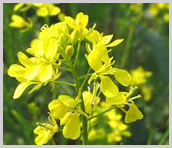
For someone like me, who is forced to watch calories, its great to know that mustard provides such a great burst of flavor for very few calories. It’s also hailed as a curative, it stimulates appetite and digestion, clears the sinuses and is said to increase blood circulation. It makes the list of few food items that taste good, and are also good for you.
Quick Mustard Makes:
- Mix a little mustard, honey, lemon juice and salt to make a salad dressing.
- Stir some mustard, honey, lemon juice, salt and pepper into hung yoghurt to make a dip for chips, crudités and crusty bread.
- Give mashed potatoes a zing with some mustard, butter and chopped spring onions.
- Make a classic vinaigrette by whisking together 4 tbsp mild olive oil, 2 tbsp red wine vinegar and 1 tbsp mustard.
Mustard Matters:
- Wholegrain mustard is mildest, Dijon (French) mustard has a little more spike; if you’re looking to blow your brains off, try the Bengali mustard, usually ground in mustard oil.
- Keep mustard in the fridge after you open up the bottle.
Jeera
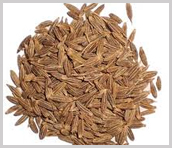
Cumin seeds are among the most commonly used spices in India, even though they are native to Egypt, Turkey and the Eastern Mediterranean region.
Shahi Jeera: Shahi jeera or black cumin is very popular in Punjabi cuisine, and is often used in North Indian kormas. The fruit of a related plant that grows wild in Iran and Kashmir, it is also referred to as kashmiri jeera and is pricier than ordinary (white) cumin. Black cumin seeds are darker and smaller than white jeera, and contain high amounts of fibre, protein, carbohydrates, and essential fatty acids. Black cumin has a sweeter smell and a complex, mellow flavor that lies somewhere between cumin and caraway. This is the main ingredients that give flavor to the tadka for dals.
Cooking with Cumin: Indian cooking can’t do without cumin seeds. While cumin is essential for the preparation of Northern Indian tandoori dishes, it also features prominently in most South Indian dishes, typically in combination with coriander. The seeds are fried or dry-roasted before being used whole. Powdered cumin is also commonly used to pep up juices, buttermilk, etc. Cumin complements cheese, vegetables, rice, lentils, legumes, curries, Mexican dishes, tomato sauce and bread. While cumin has its own distinctive tastes, it is also an important ingredient of curry powder garam masala and panch phoron, the Bengali spice mixture.
Cumin Cures: The spice has amazing healing powers and can be used for relief from a verity of ailments ranging from mouth and stomach disorders t piles and boils. Here are some ways to tackle common problems with cumin seeds:
- Foul smell in the mouth? Eat roasted cumin seeds or gargle with a mixture of ground cumin seeds, cardamom and water. This mixture also helps cure blisters.
- Swollen gums can be painful. Message the affected area with powdered roasted cumin seeds mixed with rock salt (in equal portions).
- Boil one teaspoon of cumin seeds in a glass of water; cool and strain the mixture and divide into three doses. Taken thrice a day, this is great cure for indigestion.
- For relief from stomach ache, eat a mixture of equal portions of cumin seeds powder and honey or jaggery after meals.
- To control loose motions, eat a mixture of roasted ground cumin seeds powder mixed with ½ teaspoon of honey.
- Another sure fire remedy for diarrhea: Boil one teaspoon of cumin seeds in a glass of water and mix the decoction with one teaspoon of fresh coriander leaf juice and a pinch of salt. Take twice daily after meals.
- Suffering from worms in the stomach? For two to three days take a mixture of one teaspoon of cumin seeds and water before going to bed.
- Diluted cumin water is an antiseptic beverage which when consumed 3-4 times a day helps fight common cold and fevers. Add a teaspoon of cumin seeds to boiling water, allow to simmer for a few seconds, and set aside to cool. If the cold is associated with a sore throat, add a few small pieces of dry ginger to the water to help soothe irritation.
- Can't sleep? Just before going to bed, eat one teaspoon of fried cumin seeds powder mixed with the pulp of a ripe banana.
- Piles can be extremely uncomfortable. For relief, eat a mixture of cumin seeds and sugar candy. Or try a mixture of one teaspoon ground cumin seeds, ¼ teaspoon ground black pepper and honey.
- To prevent piles from oozing blood, boil one teaspoon each of cumin seeds, aniseeds and coriander seeds in two cups of water. Allow mixture to reduce to one cup, and drink mixed with pure ghee. For relief from itchy boils, apply a paste of black cumin seeds ground in water.
- Cumin is a good antidote for poisonous insect bites; apply a paste of cumin seeds and dry ginger to the affected part. Alternatively, apply a hot mixture of cumin seeds, rock salt and ghee.
Rajma
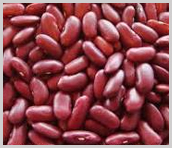
Popularly known as rajma in India. Kidney beans from an inseparable part o Punjabi cuisine. The ever popular rajma chawal, a meal of rice and rajma gravy, is festive occasions as well as on a daily basis. Internationally acclaimed tacos, enchiladas and burritos are made from kidney beans, making them a key component of Mexican cooking. Another kidney bean specially is the chili con carne, the recipe of which you’ll find in our Reader’s choice section of the magazine.
Health benefits of kidney beans
Kidney beans help maintain your memory by providing the required thiamin content and increase your energy levels by replenishing iron stores.
Kidney beans are a very good source of cholesterol-lowering fibre and also good for individuals with diabetes, insulin resistance or hypoglycemia.
Kidney beans are good substitute for red meat. They are a good source of protein, and when combined with whole grains such as in rotis, whole or wheat pasta or brown rice, provide protein comparable to that high calories or saturated fat found in these foods.
Bay Leave
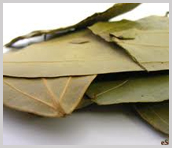
The deglamourised bay leaf does a quiet job of imparting its distinctive aromat to food. It’s high time we gave this leaf its due.
Therapeutic Traits: The leaves and berries of bay laurel contain the essential oils eugenol, cineol and geraniol, which account for the distinctive spicy aroma. Infusions are known to soothe the stomach and relieve flatulence. An oil pressed from the berries was once a popular liniment for arthritis and sore muscles, and still is used in perfumes and soaps.
Lemon
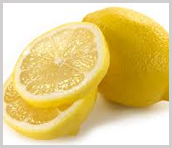
It's an unpretentious little citrus fruit. And, this little fruit is a virtual goldmine of great qualities.
Lemon For Lasting Health: Combat the unconquerable cold. Whether it is that persistent old sniffle or full-blown cold, the humble lemon steps in where all others fail. Granny's old recipe of lemon and honey in hot water has cured many a runny nose. Packed as it is with Vitamin C, if taken regularly, just half a lemon takes care of our daily requirement and boosts our immune system, too. Fight fat and stay fit. This also acts as an effective diuretic. It flushes the system off toxins and considerably reduces water-retention in the body. It rids the body of excess salts and keeps blood pressure in check.
Beauty Aid
- Drink a glass of warm water with juice of half a lemon every morning- the secret to glowing skin.
- Store powdered rind of lemon and use it as a cleansing scrub by adding a little milk.
- Abolish dark, papery elbows and rough heels by rubbing halves of lemon religiously for a week.
- Mix equal portions of sieved lemon juice, pure glycerin and rose water. Use this as your weapon against the drying and darkening effects of the winter sun.
- Mix lemon juice with egg white and/or any hair oil. Apply on your hair and wash it off, for a natural shine. It also tackles pesky dandruff effectively.
Seeds
Flax seeds are one-third oil, the remainder consisting of fibre, protein and mucilage. The protein in flax seeds is easily digested and contains all the amino acids needed for building a strong body. The fibre in flax acts as a broom, sweeping the colon of toxic material, metabolic waste and dried mucus. Flax seeds are called Alsi in Hindi.
Health benefits of flax seeds:
These little seeds carry a huge nutritional punch! Consumption of this wonder oil can benefit nearly every system in the body. Here are just some of the ways flax seeds oil ensures a healthy body:
- The high lignin content in flax seeds flushes excess oestrogen out of the body and has been acknowledged to reduce the incidence of breast cancer.
- The omega-3 fatty acids help lower bad cholesterol (LDL) and blood triglycerides, and prevent clots in arteries, which may otherwise result in heart attacks.
- Flax seeds help protect the body against high blood pressure and water retention, and lessen the severity of diabetes by stabilizing blood-sugar levels.
- The high vitamin C content boosts immunity and prevents frequent colds, coughs and fevers.
- Flax seeds are an ideal laxative. The soluble fibre keeps the digestive system in tip-top shape. The high also helps to remove toxins, thus allowing the body to utilize other nutrients with greater ease.
- Skin disorders caused b omega-3 deficiency, such as eczema, psoriasis, and dandruff, can also be cured by the consumption of flax seeds.
- Flax seeds also accelerate the healing of sprains and bruises, and can partly relieve the symptoms of rheumatoid arthritis.
The next time you shop for groceries, look out for flex seed oil and odd it to your shopping cart. You'll raise your health quotient significantly!
Oregano
Oregano belongs to the mint family of plants. Besides culinary purposes, oregano can also be used for medicinal properties especially its oil. Here are some of them:
- Fresh oregano leaves are a good source of manganese, iron, vitamin A and omega-3 fatty acids. Regularly eating fresh leaves can help boost the immune system.
- Thymol and carvocol compounds presents in oregano are beneficial in aiding digestion and treating stomach upsets. Add two to three drops of oregano oil to a glass of water and drink it for seek quick relief.
- Oregano contains antioxidant properties that help prevent formation of free redicals in the body, which in turn lead to ageing of cells in the body.
- Oregano is known to relieve menstrual cramps. Chew a few leaves thrice a day to seek relief.
- To treat cramps, muscle spasms or spasmodic pains in the abdomen, application of oregano oil on the affected area and massaging it is a good remedy.
- Severe cold, sinusitis and lung congestion can be treated using oregano oil. Add a few drops of this oil to a glass of water and drink for about three to five days and feel the difference.
- Oregano oil contains antibacterial and antiviral properties that are useful for treating skin infections.
Zucchini
Zucchini is also known by alternate names like squash. Zucchini are an integral part of traditional Italian, French, British, Spanish, and modern American, Australian, and Mexican cuisine but it is slowly making its way into it. They are shaped like a cucumber and their outer skin can either be dark green or yellow. Zucchini can be eaten cooked as well as in its raw form. Here are some health benefits of zucchini.
Benefits Of Cumin
Cumin is a seed that has been since antiquity. This traditional herb is known for its health benefits and medicinal uses since the past hundreds of year.
Cumin is useful for digestive and even as an antiseptic. The seeds themselves are rich in iron and help boost the power of the liver.
It is used to treat indigestion, diarrohoea, nausea and morning sickness. The seeds are boiled in water to make a tea with one teaspoon of seeds to one glass water. It is then mixed with salt and a teaspoon of coriander leaf juice.
Cumin also helps relieve symptoms of common cold. If you have a sore throat, try adding some dry ginger to cumin water, to help soothe it.
Due to its antiseptic properties, when applied topically, Cumin is said to be a good ointment for boils. Make a black cumin paste by grinding seeds with water and apply to the affected area.
Cumin juice makes for a great tonic for the body even if you don’t have a specific ailment. It is said to increase the heat in the body thus making metabolism more efficient.
It is also considered to be a powerful kidney and liver herb which can help boost the immune system. It’s also believed that black cumin seeds can treat asthma and arthritis.
Apricots
Though apricots are said to be discovered in Chine, in Latin they mean early matured fruit. Apricots are known to be rich in vitamin A, calcium, phosphorus, iron and dietary fibre. Apricots are available in the fresh as well dried form. As the time passes by, the sugar content of in the apricots increase. Here are some fruity facts about the apricot:
- Apricots are rich in iron and therefore are a remedy to treat anaemia. Regular consumption of apricots helps in the production of haemoglobin in the body.
- Pectin and cellulose the two compounds present in apricots are useful in treating constipation and better functioning of the bowels.
- Because apricots contain alkaline, it is better to have them after your meals to aid digestion.
- Apricots have a high content of vitamin A. This is beneficial for the maintenance of healthy eyes.
- The juice of fresh apricots can be used to apply on the face and skin as it helps to reduce blemishes and gives a cooling sensation on the skin. Eczema, skin-irritations and sunburns can be reduced by application of fresh apricot pulp.
- Dried apricots contain high content of potassium, which is good for curbing hypertension.
- Apricots contain lycopene and beta-carotene which lowers the bad cholesterol in the body and good for cardiac health.
- Apricots besides having so many benefits are definitely a treat to the taste buds.
Green Tea
Green tea has been consumed in China for medicinal purposes since the past 4,000 years. Green tea is known to have health benefits along with strong healing properties. It is made out of levels belonging to the camellia sinensis plant. And so thus goes the Chinese saying, 'Better to be deprived of food for three days, than tea for one. 'Here are some benefits of green tea bet you didn't know about:
- Drinking green tea is known to boost the body's metabolism. This is especially beneficial for those who want to lose weight, as it reduces the possibility of packing up the pounds in the body.
- Green tea contains compounds like polyphenols and polysaccharides. These compounds contain anti-oxidant properties that helps in lowering sugar levels and blood sugar levels, which is highly beneficial to diabetes.
- Green tea also contains fluoride, which is beneficial for the overall dental health. It helps reduces the formation of plaque, as well plaque-causing bacteria and bad breath too.
- Catechin, a compound present in green tea has stress-reducing properties and avoids sleepiness. Theanine, an amino acid present in green tea, helps in the stimulation of dopamine, a chemical that induces a feeling of happiness. Theanine and dopamine are known to improve one’s mood; Regular consumption of green tea is helpful in the formation and fighting against free radicals in the body. It is helpful in prevention of cancers like colon cancer, cancer of the intestinal tract and stomach cancer.
- Drinking green tea regularly is good for the skin too. It helps reduce acne, psoriasis, warts and rosacea.
- Flavonoids and ployphenols present in green tea a very helpful in boosting the immunity of the body. These immunity boosting properties also help in formation of allergies. This helps in prevention of flu, cold, coughs, headaches etc.
- Slipping tea after meals is good because it’s good for digestion.
Cardamom
Cardamom is known to have been originated in India. This humble condiment is commonly known as elaichi in Indian cuisine and is used right from curries, rice preparations, snacks, sweets and even tea. Though it is widely used for culinary purposes, it is used in Ayurveda for its medicinal properties. And cardamom tea is the ideal choice of beverage to keep oneself warm during the chilly winters. Here are some benefits of cardamom bet you didn’t know about:
- According to the Ayurvedic system, cardamoms are said to balance out, all the doshas in the human body, vata, pitta and kapha. The vata dosha is known to control movement. The pitta dosha is known to control metabolism. The kapha dosha is said to control structure. And therefore cardamoms are called tridoshic. A small quantity of cardamom is said to balance out the kapha and vata, and pitta as well.
- Cardamoms are known to bring warmth in the body and therefore help in reducing cold and headaches resulting due to cold weather.
- Cardamom is known to be beneficial in aiding digestion. They also considered good for flatulence and gastro problems.
- Equipped with de-toxifying properties, they also help to improve blood circulation. In small quantities they are known to be beneficial for people suffering form asthma and bronchitis.
- It is effective in keeping bad breath at bay. It also helps in fighting teeth and gum infections.
- It is a good source of minerals like magnesium, calcium, potassium.
- Cardamoms also contain vitamins like niacin, riboflavin, vitamin C that are important for the smooth functioning of the body.
Aloe Vera
Aloe is often mistakenly called desert cacti, when it is actually a member of the lily family.
Aloe Vera pulp (gel) can be utilized in different ways, both internally and externally. It is exceptional as a first aid treatment for burns, irradiation, sunburn, pimples, insect bites and minor wounds. It is also very effective in the treatment of skin infections like seborrhea, herpes, red spots, psoriasis, eczema, mycosis and fever blisters. Apart from acting as an indispensable ingredient in skin and hair care products these days, it has also been found to contribute to mouth and teeth care. Aloe vera can also be used with other ingredients to perform better.
Aloe Vera helps:
- Digestive tract ailments – from detoxification of the body to re-charging it with immunity power.
- Pre and post-operative conditions, constipation, hyperacidity, heat problems, cough and cold, diabetes arthritis, immune-suppressive diseases, liver and spleen diseases, haemorrhoids (piles), acne, rashes, psoriasis, eczema.
- Weight management and lifelong weight control.
- Hair loss and scalp care.
- Proper joint function.
- Dental care including bleeding gums and minor mouth problems.
- Skin and beauty.
Water
Water: it is the life source of the planet and every living thing on it. Sixty per cent of our body is made up of water, and it is essential for the survival of every cell in the body. It is the single most important catalyst in losing weight as it helps metabolise stored fat by allowing the kidneys and liver to function optimally.
Water eases digestion and regulates body temperature; it even helps prevent urinary tract infections, in men and women. Water helps to maintain proper muscle tone, which in turn, aids proper muscle contraction and prevents dehydration. It also helps to prevent the sagging skin that usually follows weight loss. Water helps rid the body of waste and can help relieve constipation. It also gives you a glowing, healthy complexion. Good enough reasons to drink it, right?
Super server: Drink at least eight glasses of water every day
Wheatgerm
Wheat germ: This term refers to the part of the wheat kernel extracted during milling. Wheat germ is especially high in protein, insoluble fibre, vitamin E, folic acid, riboflavin, niacin, zinc, thiamine, iron, magnesium and potassium. Wheat germ has a surprisingly good flavor and can be added to a variety of foods.
The golden grain of wheat is particularly rich in oil and is a rich source of vitamin E as well as thiamine and riboflavin. Wheat germ oil is emollient and alleviates skin itching and eruptions, helping skin regain health and suppleness. Because wheat germ is quite vulnerable to rancidity, it should be purchased only if vacuum packed or refrigerated.
Super Server: Sprinkle it into a salad, or into some porridge.
Sesame
Sesame: The seeds contain a number of nutrients, and provide two important amino acids which are deficient in most other vegetarian foods, namely methionine-which helps maintain a healthy liver, and tryptophan-which helps promote beautiful skin and hair and is also called the 'calming nutrient', as it helps you to sleep better. Sesame seeds are a rich source of calcium and iron, as well as lecithin, which helps to keep cholesterol in liquid form, thus preventing gallstones.
Super server: Sprinkle it over a salad, or indulge in some 'tahini'.
Millet
Millet: This is an alkaline grain which is good for invalids and growing children. It is easy to digest and is also a rich source of silicon. Silicon is vital for the health of hair, skin eyes and nails. Deficiency of this mineral can result in sagging connective tissue. It is also a good source of protein and iron.
Super server: Use millet flour to make ‘rotis’ or pasta sheets; or use millet grain to make a pulao or risotto.
Soya
Soya: Gals, here's good news. It appears that soya can balance female hormones naturally (wonder if that helps beath the PMS blues), providing protecting against cervical, ovarian and even breast cancer. It might even ease menopause symptoms. Soya is an excellent source of high quality protein, is low in saturated fats and is cholesterol free. Soya beans contain high concentrations of several compounds which have demonstrated anti-carcinogenic activity. These include isoflavonoids, protease inhibitors and phytic acid. Soya diets have also been shown to reduce levels of serum cholesterol.
Tofu is soya bean curd made from soya milk, and contains calcium, iron, and vitamins B1, B2 and B3. Soya protein is said to have the effect of reducing cholesterol levels in hypercholesteroaemic people.
Super server: Since tofu is largely flavorless, tofu cubes can be added to any dish, and they will just absorb the flavor of the 'masala'.
Asparagus
Asparagus: This vegetable is good for the liver and kidneys, and its active compound is asparagines, which is a stimulant. It is also a good source of vitamin A, which is beneficial for you eyesight.
Recently, in lab tests, researchers found a compound called saponin in asparagus that prevents leukaemia cells from multiplying.
Super server: Asparagus should be lightly steamed, and served with a bit of butter.
Oats
Oats: They are a nutritional treasure-house, containing 12 per cent protein by volume. They are chock-full of vitamin E and B complex vitamins. They are also rich in potassium, calcium and magnesium, which, combines with the other vitamins, give strong bones and teeth. They also supply silicon that keeps the artery walls healthy. Recent research has indicated that oats help lower excess cholesterol levels.
Super server: Make some porridge by stirring oats into boiling water; cook for a couple of minutes and add milk; allow to stand for about 20 minutes. Ideally, fresh cream goes really well with the porridge.
Barley
Barley: Barley leaves are rich in minerals and also have high levels of potassium, the B vitamins, magnesium, iron and calcium; research has suggested that it has cholesterol-lowering properties. It is often recommended fro people suffering from fatigue and /or stress.
Barley also contains a-glucan, a fibre also found in oat bran and reported to reduce cholesterol levels. The root contains the alkaloid hordenine which stimulates peripheral blood circulation and has been used as a bronchodilator for bronchitis. Barley bran, like wheat bran, may be effective in protecting against the risk of cancer.
Super server: Boil barley pearls with water to make barley water.
Pomegranate
Pomegranate: Affectionately known as the “jewel of winter”, it has recently been acclaimed for its health benefits, in particular, for its disease-fighting antioxidant potential. Preliminary studies suggest that pomegranate juice may contain almost three times the total antioxidant ability compared with the same quantity of green tea or red wine. It also provides a substantial amount of potassium, is high in fibre, and contains vitamin C and niacin. It has been used for centuries in folk medicine in the Middle East, India and Iran, to treat inflammation, sore throats, diarrhea and rheumatism.
Super server: Sprinkle pomegranate over nay salad, to give it some crunch and colour.
Yoghurt
Yoghurt: Eating yoghurt is sort of the equivalent of spring-cleaning your system. Lactic acids in yoghurt aid digestion; they synthesise some of the B vitamins, biotin and folic acid. They increase the uptake of calcium and magnesium, and the presence of lactic acids in the intestine checks the proliferation of pathogenic bacteria.
Super server: Have a small serving of 'raita' every day, or a bowl of yoghurt with your rice and 'dal'.
Papaya
Papaya: Compared to other fruit, papaya has more carotene, which, in food, is converted to vitamin A. Its comparatively low calorie count makes it a favourite with people on a diet. Papaya also has fairly high vitamin C content. The enzyme papain, which is present in papaya, is a good aid to digestion. It is the ideal food for invalids because the flesh is easy to chew and swallow. Healing speeds up when pieces of papaya are laid on wounds and surgical incisions.
Super server: Chunks of papaya, chilled, with a dash of lemon juice make the ideal dessert.
Lentils
Lentils: They are rich in nutrients and useful minerals, as well in vital B complex vitamins. Lentils contain only a trace of fat and no cholesterol or sodium, and are an important source for your daily intake of folate or folic acid, which fights heart disease and prevents birth defects. They are also a good source of iron and phosphorus, and a contain significant amounts of protein, calcium, niacin, potassium and vitamin A as well. Lentils are a good source of fibre which also helps keep cholesterol in check.
Super server: Try and include a helping of 'dal' in your diet every day.
Milk
Milk : This is one of the most important sources of calcium, and has been demonstrated to reduce the risk of osteoporosis, hypertension and colon cancer.
Drinking milk may also help to reduce the risk of kidney stones and tooth decay. It buffers oral acids, reduces the solubility of tooth enamel, and helps to remineralise tooth enamel.
Milk is a nutrient-dense food providing a high concentration of nutrients in relation to its energy content, and is a source of protein, lactose and minerals. Milk proteins may protect against cancer. It is also an excellent source of high-quality protein, providing varying amounts of all of the essential amino acids that humans cannot synthesise.
Super server: A glass of chilled milk, or a bowl of cereal with a hearty helping of milk.
Chicken Soup
Chicken soup: If you’ve dismissed chicken soup for your cold as an ‘old wives’ tale’, surprises! It was first prescribed for a cold as far back as the 12th Century, by physician Moses Maimonides.
More recently, a study conducted in the US found that sipping hot chicken soup helped the flow of air in the nasal passages – i.e., it eased congestion. Chicken soup contains certain drug-like agents that help ease cold symptoms. When chicken is cooked for soup, cysteine, an amino acid, is release, which chemically resembles the drug acetylsysteine, which is usually prescribed for bronchits and other respiratory problems. Adding ingredients like garlic, red chili powder and curry spices – each with their own medicinal powers – just makes the soup that much more effective in clearing your lungs and mucous. Another study suggests hat chicken soup has anti-inflammatory properties.
Super server: What else- a bowl of steaming hot chicken soup!
Fish
Fish : Studies have indicated that countries with the highest fish consumption also have the lowest depression rates. Researchers believe fish with high levels of Omega-3 fatty acids are the key.
Fish consumption is also associated with a reduced incidence of sudden cardiac death- from a source other than omega-3 fatty acids, namely, n-3 fatty acids, which may reduce the risk of fatal arrhythmias.
Fish is an excellent source of protein, minerals and vitamins, and fish oils too, have beneficial properties like reduced thrombotic effects and lowered blood pressure.
Super Server: Steamed fish with lemon, or 'tandoori' fish.
Broccoli
Broccoli: Being part of the cruciferous vegetable group, it is rich the groups of phytochemicals called indoles, dithiolthiones, and isothiocyanates that are associated with reduced cancer risk.
It is a good source of vitamins A and C (when raw or only slightly cooked), potassium, and fibre. Broccoli is also rich in iron, folic acid, calcium and riboflavin. It also contains large amounts of betacarotene, which is an important antioxidant.
Super Server: Lightly steam the broccoli, so that it is still crunchy, and server with a small dab of butter.

"Being Healthy" is the new mantra the whole world has adopted lately. Everyone wants to stay fit, be full of energy, look younger and live healthier lives when they get older, it's no wonder that the fitness industry has grown immensely over the last couple of years, especially in India.

Baking Classes Nonveg Kabab Curry Sherbets Choclate Biryani Desserts Cooking Ice Creams Pastry Italian Indian Desserts Chinese Snacks Pickles Thai Mexican Salad Seafood Mocktail's Exotic Chocolate Sandwiches Veg - Moghlai
